

Acne Skin Care Products: A 2026 Comparison Guide
Table of Contents
- How to Choose the Right Acne Skin Care Products
- Nonprescription Acne Treatment Options Explained
- Acne Products for Oily Skin: Balancing Oil Control and Hydration
- Non-Comedogenic Moisturizer for Acne-Prone Skin: Why It Matters
- Building Your Acne Skin Care Routine: A Two-Step Daily Approach
- Product Comparison: Ingredients, Strength, and Cost
- Realistic Timelines and When to Seek Professional Help
- Frequently Asked Questions
Last Updated: October 9, 2026
How to Choose the Right Acne Skin Care Products
Picking the right acne skin care products feels overwhelming because most people chase the wrong criteria, brand names, price tags, or flashy marketing claims. What matters is matching the active ingredient to your breakout pattern and skin type.
Any effective acne skin care routine rests on three things: the right active ingredient, a formula that doesn't trigger irritation, and realistic expectations about timing. Most guides skip the hard part, layering these products without destroying your skin barrier.
The patterns are clear: oily skin types often avoid moisturizers entirely, which backfires, while sensitive skin types jump between too many actives at once and damage their barriers. The solution isn't more products, it's smarter selection.
Active Ingredients That Work
Three active ingredients dominate acne treatment: salicylic acid, benzoyl peroxide, and adapalene. Each works differently, and choosing the wrong one wastes your time and money.
Salicylic acid penetrates pores and dissolves the buildup that creates blackheads and whiteheads. Gentler than benzoyl peroxide, it works best for mild to moderate acne driven by clogged pores, with results in 4-6 weeks.
Benzoyl peroxide kills acne bacteria directly. Stronger than salicylic acid, it works faster on inflamed breakouts, but causes irritation and dryness in the first 2-3 weeks.
Adapalene is a retinoid that speeds cell turnover and prevents future breakouts. Prescription-strength in power but available over-the-counter, it takes 8-12 weeks of consistent use, with initial irritation and dryness before improvement.
For oily and combination skin, salicylic acid is usually the best starting point because it addresses the root cause, excess sebum and clogged pores, without the irritation risk of stronger actives.
Matching Products to Your Skin Type
Your skin type determines which acne skin care products will actually work: oily skin needs oil control without dehydration, sensitive skin needs gentle barrier-supporting formulas, and combination skin needs balance.
If your skin is oily, avoid heavy creams and occlusive moisturizers. They trap sebum and trigger breakouts within days. The American Academy of Dermatology guidance on acne management emphasizes that hydration prevents the skin from overproducing oil to compensate.
If your skin is sensitive, introduce one active at a time and wait 2-3 weeks before adding another, since sensitive skin reacts to combinations oily skin tolerates fine. Start at the lowest strength and increase only if your skin adapts well.
For combination skin, use different products in different zones. Salicylic acid toner on the oily T-zone, gentler hydration on drier cheeks. This targeted approach prevents over-treating sensitive areas while addressing breakout zones directly.
Nonprescription Acne Treatment Options Explained
Over-the-counter acne treatments fall into two categories: medicated actives that treat existing breakouts and supportive products that prevent future ones. Most people focus only on actives and skip prevention, which is why they cycle through breakouts.
Medicated treatments include cleansers with salicylic acid, toners, serums, and spot treatments. Supportive products include moisturizers, sunscreen, and barrier-repair formulas. Both matter equally.
Salicylic Acid and Toners
Salicylic acid toners are the workhorse of acne skin care routines, affordable, effective, and gentle enough for daily use. A good toner removes excess oil and impurities, lowers skin pH to support the barrier, and delivers salicylic acid deep into pores.
The Purifying Toner from AcneologyHQ™ combines salicylic acid with organic lavender flower water and no added fragrance, clearing pores of trapped oil and dirt while maintaining pH balance. At $29.99, it's a daily step, not a weekly treatment.

Many people abandon toners too early, but salicylic acid needs consistent use to show results.
The main risk with toners is overuse. Daily application is fine for most people, but twice-daily use can cause dryness and irritation, especially if you're also using other actives. If your skin feels tight or flaky, reduce to once daily or every other day.
Hydration Without Breakouts
This is where most acne skin care routines fail. People treat acne aggressively with actives, then skip moisturizer for fear it causes breakouts. The result: dehydrated, irritated skin that overproduces oil and breaks out worse.
The solution is a non-comedogenic moisturizer formulated for acne-prone skin: oil-free, lightweight, and fast-absorbing. Hyaluronic acid is the key ingredient because it holds water in the skin without adding oil or clogging pores.
The Oil-Free Hydrating Gel from AcneologyHQ™ uses hyaluronic acid alongside aloe and watercress extract. Designed for oily and combination skin, it absorbs in seconds with no greasy residue. At $39.99, it's a daily moisturizer, not a treatment.
Many people resist moisturizing acne-prone skin because they've had bad experiences. The difference here is the formulation: oil-free means no pore-clogging oils, and hyaluronic acid means hydration without heaviness. Properly hydrated skin has a stronger barrier and fewer breakouts.
Acne Products for Oily Skin: Balancing Oil Control and Hydration
Oily skin is prone to acne because excess sebum clogs pores and feeds acne bacteria. The instinct is to dry skin out completely. That backfires. Dehydrated skin produces even more oil to compensate, triggering worse breakouts.
The strategy for oily skin is selective oil control: target the T-zone with actives, but hydrate the entire face to prevent overproduction. This balance is hard because most products are either too heavy or too drying.
For acne products for oily skin, prioritize lightweight textures. Gels, serums, and water-based toners work. Creams, butters, and occlusive moisturizers don't. Look for ingredients that control sebum without stripping: salicylic acid, niacinamide, and zinc. Avoid silicones and heavy emollients.
The two-step approach works best for oily skin. Step one: a salicylic acid toner to clear pores and control oil. Step two: an oil-free hydrating gel to prevent dehydration. This combination addresses the root cause, clogged pores from excess sebum, while maintaining skin health.

The key is consistency and patience.
Non-Comedogenic Moisturizer for Acne-Prone Skin: Why It Matters
A non-comedogenic moisturizer for acne-prone skin is non-negotiable. "Non-comedogenic" means the formula won't clog pores or trigger breakouts. It's a specific formulation standard, not just a marketing term.
The difference comes down to ingredient selection. Regular moisturizers often contain heavy oils, waxes, and occlusives that sit on skin and trap bacteria. Non-comedogenic formulas use lightweight hydrators like hyaluronic acid, glycerin, and humectants that absorb without blocking pores.
For acne-prone skin, the moisturizer serves a critical function: it protects the skin barrier while you use actives. Salicylic acid and benzoyl peroxide can irritate and dry skin, and a good non-comedogenic moisturizer prevents that damage so you can use actives consistently without side effects.
The Oil-Free Hydrating Gel is formulated specifically as a non-comedogenic moisturizer. It contains hyaluronic acid for hydration, aloe for calming redness, and zero oils.
Building Your Acne Skin Care Routine: A Two-Step Daily Approach
The most effective acne skin care routine is simple: cleanse, apply active treatment, moisturize. More steps don't equal better results, consistency and the right products do.
Morning and Evening Steps
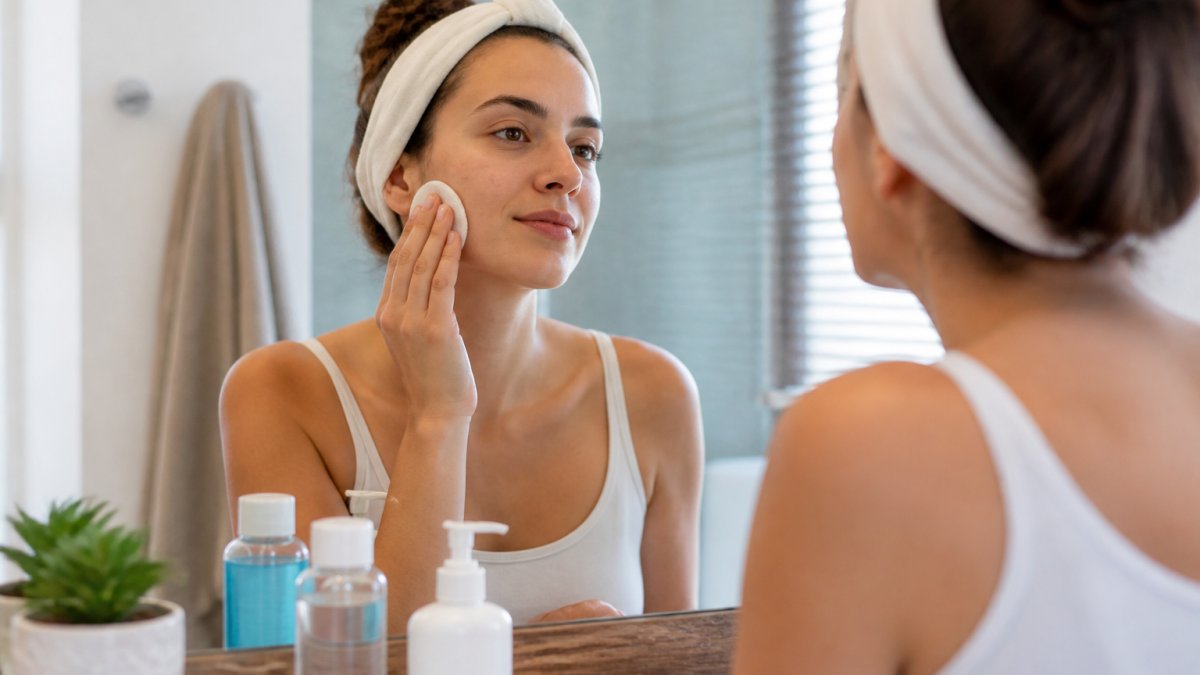
Morning: Cleanse with a gentle face wash, apply the Purifying Toner with a cotton pad, then apply the Oil-Free Hydrating Gel. Add sunscreen if you're using any actives that increase sun sensitivity. This takes 3 minutes.
Evening: Cleanse again, apply the Purifying Toner, then apply the Oil-Free Hydrating Gel. If you're using adapalene or benzoyl peroxide, apply it after the toner and before the moisturizer. The routine is identical, consistency matters more than complexity.
Many people want to add serums, essences, and spot treatments. Resist this urge: more products increase irritation risk while making it impossible to identify what's working.
The Clear + Hydrate Duo from AcneologyHQ™ bundles the toner and gel for one month of this routine at $59.49. It's designed as a complete system, not individual products. The Bundle option provides two months for $111.99, which is better value if you're committing to the routine.

Introducing Products Safely to Avoid Irritation
When you start a new acne skin care routine, introduce products gradually, your skin needs time to adapt to actives.
Week 1: Introduce the cleanser and moisturizer only. Use these for a full week to establish a baseline and ensure your skin tolerates them.
Week 2: Add the salicylic acid toner. Use it once daily in the evening.
Week 3: If your skin tolerates the toner, increase to twice daily (morning and evening). This is the standard frequency for salicylic acid.
Week 4+: Evaluate results. Visible improvement in breakouts should appear within 4-6 weeks. If you see improvement, stick with this routine for at least 8-12 weeks before adding anything else.
The biggest mistake is adding too many actives too fast. Salicylic acid + benzoyl peroxide + adapalene in one routine will damage your barrier and cause severe irritation.
Product Comparison: Ingredients, Strength, and Cost
| Product | Active Ingredient | Strength | Price | Best For | Texture |
|---|---|---|---|---|---|
| Purifying Toner | Salicylic Acid | Standard | $29.99 | Oily and combination skin, daily pore clearing | Lightweight, water-based |
| Oil-Free Hydrating Gel | Hyaluronic Acid + Aloe | Hydrating | $39.99 | All acne-prone skin types, barrier support | Fast-absorbing gel |
| Clear + Hydrate Duo | Salicylic Acid + Hyaluronic Acid | Complete routine | $59.49 | One-month starter routine | Toner + gel combo |
| Clear + Hydrate Bundle | Salicylic Acid + Hyaluronic Acid | Complete routine | $111.99 | Two-month supply, best value | Toner + gel combo |
A complete two-step routine from AcneologyHQ™ costs less than most single premium skincare products. The Duo at $59.49 covers one month; the Bundle at $111.99 covers two months, or $55.99 per month, better value if you're committed.
AcneologyHQ™'s formulations are designed to work together, not as standalone products.
Realistic Timelines and When to Seek Professional Help
This is the part most guides skip. Acne skin care takes time. Expecting results in 1-2 weeks sets you up for failure.
Weeks 1-2: Your skin adjusts to new products. You might see slight dryness or irritation. This is normal. Stick with the routine.
Weeks 3-6: Visible improvement appears. Fewer new breakouts, smaller existing ones, less shine on oily areas. This is when most people feel encouraged to continue.
Weeks 6-12: Continued improvement. Skin clarity increases, texture improves, and breakouts become less frequent. This is the sweet spot where the routine proves itself.
After 12 weeks: If you've seen significant improvement, maintain the routine. If you've seen no improvement, it's time to consult a dermatologist.
When to seek professional help:
- No improvement after 12 weeks of consistent use
- Severe cystic acne that doesn't respond to over-the-counter treatments
- Acne accompanied by hormonal symptoms (for women)
- Fungal acne that worsens with standard treatments
- Severe irritation or allergic reactions to products
A dermatologist can prescribe stronger actives like tretinoin, oral antibiotics, or hormonal treatments.
According to American Dermatological Association clinical guidelines on acne management, most people see meaningful results within 8-12 weeks of consistent treatment with appropriate actives and supportive skincare.
Choosing the right acne skin care products comes down to matching ingredients to your skin type and committing to a simple routine.
Frequently Asked Questions
What ingredients should I look for in acne skin care products?
Salicylic acid is a proven exfoliant that unclogs pores and reduces oil buildup, making it essential for acne-prone skin. Hyaluronic acid provides lightweight hydration without clogging pores, while aloe and organic plant extracts calm redness and inflammation. For oily skin, look for products labeled oil-free and non-comedogenic. Avoid heavy oils and thick moisturizers that trap bacteria inside pores. The Purifying Toner contains salicylic acid, and the Oil-Free Hydrating Gel combines hyaluronic acid with aloe for balanced treatment.
How long does it take for acne products to work?
Most nonprescription acne treatments require 4 to 8 weeks of consistent use before visible improvement appears. Stick with your routine daily without switching products frequently, as constant changes prevent your skin barrier from stabilizing. If no improvement occurs after 12 weeks, consult a dermatologist.
Can acne-prone skin use moisturizer without breaking out?
Yes, but only non-comedogenic, oil-free moisturizers designed for acne-prone skin. Many people skip moisturizer thinking it will worsen breakouts, but dehydrated skin produces excess oil to compensate, triggering more acne. The Oil-Free Hydrating Gel uses hyaluronic acid and fast-absorbing technology to hydrate without clogging pores. Apply moisturizer while skin is still slightly damp to lock in hydration.
How do I compare acne products for oily skin?
Prioritize oil-free formulas, lightweight gels over creams, and products with salicylic acid or other exfoliants to control sebum. Check the ingredient list for hyaluronic acid, which hydrates without adding oil. The Purifying Toner clears excess oil and balances pH, while the Oil-Free Hydrating Gel provides hydration for oily skin without shine. Combination skin benefits most from a two-step routine: a clarifying toner followed by a lightweight gel moisturizer.
Acne Prevention Techniques for Transforming Acne-Prone Skin
Identifying the Best Acne Ingredients for Clearer Pores
Related Posts

FAQs: Managing Acne-Prone Skin and Preventing Clogged Pores

7 Benefits of Oil-Free Moisturizer for Oily Skin

Best Sebum Control & Shine Banishers for Skin Barrier Repair

Exploring Historical Breakthroughs in Adult Acne Control

A Persuasive Argument for Adopting Acne Safe Practices

How to Moisturize Acne-Prone Skin: A Step-by-Step Guide

What Hormonal Pimples Look Like: A Visual Guide


